(Download a higher resolution picture by clicking on any picture below.)

The National Museum of the Air Force has transferred B-36J-75(III), 52-22827 to the Pima Air Museum near Tucson, Arizona. It was fully restored at the Lockheed-Martin plant in Fort Worth. It has been reassembled and painted and is now on public display.
I visited the Pima Air and Space Museum on March 17, 2010 to shoot photos and Gigapan panoramas of their recently restored B-36J.
The 230-foot wing span of the B-36 is longer than a Boeing 747 and Lockheed C-5 Galaxy.
Gigapan panorama of the B-36J Panorama size: 447 megapixels (27232 x 16417 pixels) Input images: 99 (11 columns by 9 rows) Field of view: 98.9 degrees wide by 59.6 degrees high (top=33.1, bottom=-26.5) Gigapan panorama of the B-36J Panorama size: 496 megapixels (24746 x 20079 pixels) Input images: 110 (10 columns by 11 rows) Field of view: 87.1 degrees wide by 70.6 degrees high (top=44.4, bottom=-26.3) The jet engine pods were equipped with petals to plug the inlets when the jets were not in use to prevent windmilling of the engines. The jet engine pods were similar to the inboard nacelle of the Boeing B-47 Stratojet. They were built by Boeing under contract to Convair. There are bunks and a kitchen in the rear pressurized section for the relief crew on missions that could last forty hours. The B-36 was powered by six Wasp Major R-4360 twenty-eight cylinder, four bank radial engines. Each propeller was nineteen feet in diameter. This B-36 had most of its turrets removed as part of the featherweight program to increase its operating altitude. The radar directed tail turret was the only remaining defensive armament. July 5, 2009 B-36J 52-22827 was placed on display in June 2009. Mike Adkins provided some photos of B-36J 52-22827 taken on July 5. The outer propellers and jet pods had not been installed, yet. March 12, 2009 As of March 12, 2009, the fuselage was complete and sitting on its landing gear. The outer wing panels had not been attached,yet. The nose was masked for painting the SAC sash. September 26, 2005 As of September 26, 2005, most of the major components of B-36J, 52-22827 have arrived at the Pima Air Museum restoration area. The center section of the wings is still in Fort Worth. Forward fuselage Elevators, propellers, and empennage. Forward fuselage Elevators Empennage Forward fuselage Forward fuselage The rear fuselage rests a short distance away from the rest of the airframe. Rear fuselage Rear fuselage Engine nacelles B-36 restoration area I will document the reassembly of B-36J, 52-22827 as I did the restoration of RB-36H, 51-13730 at the Castle Air Museum. The last B-36 built, B-36J-75(III) 52-22827, seen in 1964 at Fort Worth. This plane received a meticulous restoration in Fort Worth at the old Convair factory (now Lockheed-Martin). Photo courtesy Richard Freeman. These pictures of the restored interior of 52-22827 were provided by Don Pyeatt. Cockpit. Photo courtesy Don Pyeatt. Cockpit. Photo courtesy Don Pyeatt. Control Wheel. Photo courtesy Don Pyeatt. Cockpit. Photo courtesy Don Pyeatt. Flight Engineer's Station. Photo courtesy Don Pyeatt. Radar Navigator's Station. Photo courtesy Don Pyeatt. Radio Operator's Station. Photo courtesy Don Pyeatt. Don Pyeatt's web site has a number of photos of 52-22827 on display and undergoing restoration. Click on the number-four propellor at the bottom of his home page. - advertisement - Books about the Convair B-36 from Amazon.com Visit the Lockett Books Amazon Webstore for a selection of aviation and space related books and DVDs. - advertisement - Dueling CD-ROMs The history of the efforts to preserve B-36J, 52-22827 at Fort Worth is well documented in "B-36: Saving the Last Peacemaker"; Second Edition, an html book on CD. This CD-ROM is viewed with your internet browser. B-36: Moving the Last Peacemaker. These 875 photos show photographically the effort expended by all of the volunteers over a nine year period to save the aircraft. This CD-ROM is a self contained slide show that does not require a browser to view. Go to the main Convair B-36 page. Go to home page of the Goleta Air and Space Museum. Send a message to Brian.
Panorama size: 447 megapixels (27232 x 16417 pixels) Input images: 99 (11 columns by 9 rows) Field of view: 98.9 degrees wide by 59.6 degrees high (top=33.1, bottom=-26.5)
Gigapan panorama of the B-36J Panorama size: 496 megapixels (24746 x 20079 pixels) Input images: 110 (10 columns by 11 rows) Field of view: 87.1 degrees wide by 70.6 degrees high (top=44.4, bottom=-26.3) The jet engine pods were equipped with petals to plug the inlets when the jets were not in use to prevent windmilling of the engines. The jet engine pods were similar to the inboard nacelle of the Boeing B-47 Stratojet. They were built by Boeing under contract to Convair. There are bunks and a kitchen in the rear pressurized section for the relief crew on missions that could last forty hours. The B-36 was powered by six Wasp Major R-4360 twenty-eight cylinder, four bank radial engines. Each propeller was nineteen feet in diameter. This B-36 had most of its turrets removed as part of the featherweight program to increase its operating altitude. The radar directed tail turret was the only remaining defensive armament. July 5, 2009 B-36J 52-22827 was placed on display in June 2009. Mike Adkins provided some photos of B-36J 52-22827 taken on July 5. The outer propellers and jet pods had not been installed, yet. March 12, 2009 As of March 12, 2009, the fuselage was complete and sitting on its landing gear. The outer wing panels had not been attached,yet. The nose was masked for painting the SAC sash. September 26, 2005 As of September 26, 2005, most of the major components of B-36J, 52-22827 have arrived at the Pima Air Museum restoration area. The center section of the wings is still in Fort Worth. Forward fuselage Elevators, propellers, and empennage. Forward fuselage Elevators Empennage Forward fuselage Forward fuselage The rear fuselage rests a short distance away from the rest of the airframe. Rear fuselage Rear fuselage Engine nacelles B-36 restoration area I will document the reassembly of B-36J, 52-22827 as I did the restoration of RB-36H, 51-13730 at the Castle Air Museum. The last B-36 built, B-36J-75(III) 52-22827, seen in 1964 at Fort Worth. This plane received a meticulous restoration in Fort Worth at the old Convair factory (now Lockheed-Martin). Photo courtesy Richard Freeman. These pictures of the restored interior of 52-22827 were provided by Don Pyeatt. Cockpit. Photo courtesy Don Pyeatt. Cockpit. Photo courtesy Don Pyeatt. Control Wheel. Photo courtesy Don Pyeatt. Cockpit. Photo courtesy Don Pyeatt. Flight Engineer's Station. Photo courtesy Don Pyeatt. Radar Navigator's Station. Photo courtesy Don Pyeatt. Radio Operator's Station. Photo courtesy Don Pyeatt. Don Pyeatt's web site has a number of photos of 52-22827 on display and undergoing restoration. Click on the number-four propellor at the bottom of his home page. - advertisement - Books about the Convair B-36 from Amazon.com Visit the Lockett Books Amazon Webstore for a selection of aviation and space related books and DVDs. - advertisement - Dueling CD-ROMs The history of the efforts to preserve B-36J, 52-22827 at Fort Worth is well documented in "B-36: Saving the Last Peacemaker"; Second Edition, an html book on CD. This CD-ROM is viewed with your internet browser. B-36: Moving the Last Peacemaker. These 875 photos show photographically the effort expended by all of the volunteers over a nine year period to save the aircraft. This CD-ROM is a self contained slide show that does not require a browser to view. Go to the main Convair B-36 page. Go to home page of the Goleta Air and Space Museum. Send a message to Brian.
Panorama size: 496 megapixels (24746 x 20079 pixels) Input images: 110 (10 columns by 11 rows) Field of view: 87.1 degrees wide by 70.6 degrees high (top=44.4, bottom=-26.3)
The jet engine pods were equipped with petals to plug the inlets when the jets were not in use to prevent windmilling of the engines.
The jet engine pods were similar to the inboard nacelle of the Boeing B-47 Stratojet. They were built by Boeing under contract to Convair.
There are bunks and a kitchen in the rear pressurized section for the relief crew on missions that could last forty hours.
The B-36 was powered by six Wasp Major R-4360 twenty-eight cylinder, four bank radial engines.
Each propeller was nineteen feet in diameter.
This B-36 had most of its turrets removed as part of the featherweight program to increase its operating altitude. The radar directed tail turret was the only remaining defensive armament.
B-36J 52-22827 was placed on display in June 2009.
Mike Adkins provided some photos of B-36J 52-22827 taken on July 5. The outer propellers and jet pods had not been installed, yet.
As of March 12, 2009, the fuselage was complete and sitting on its landing gear. The outer wing panels had not been attached,yet. The nose was masked for painting the SAC sash.
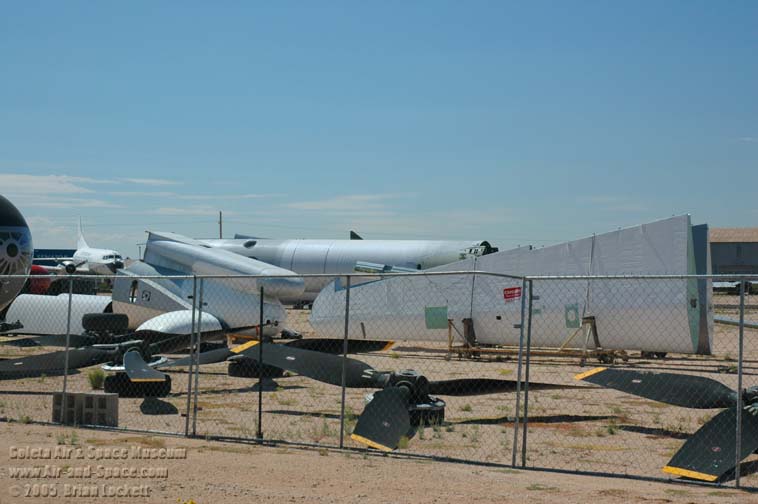
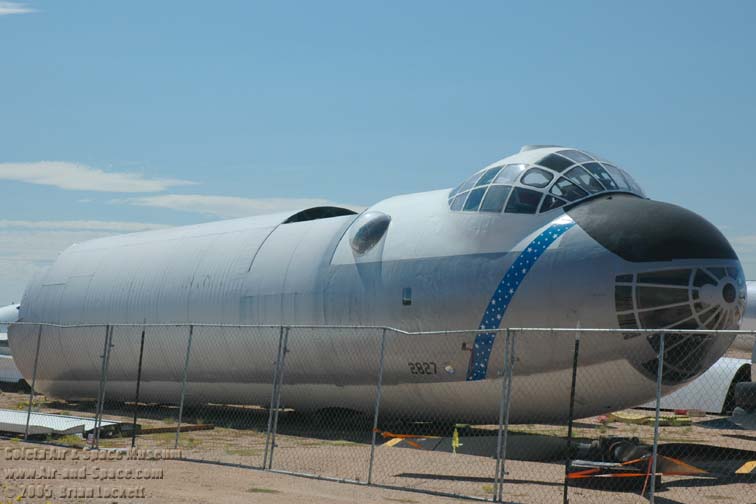
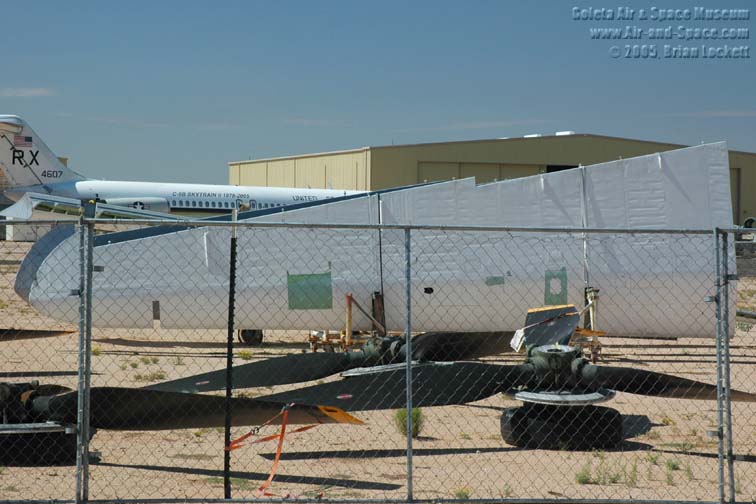
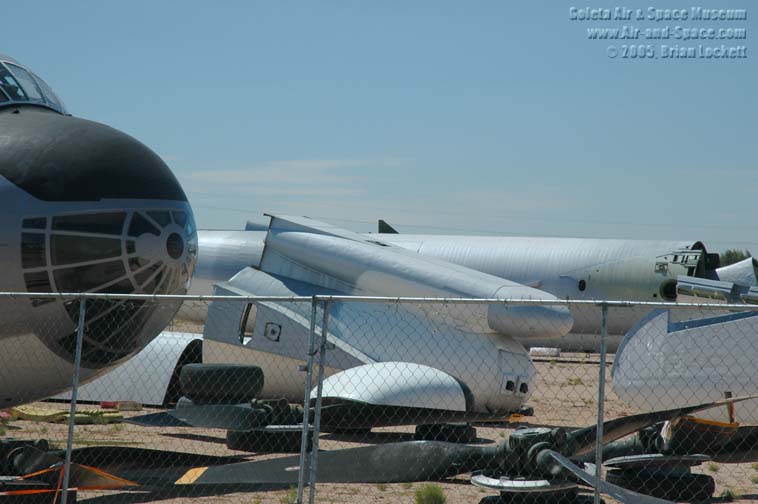
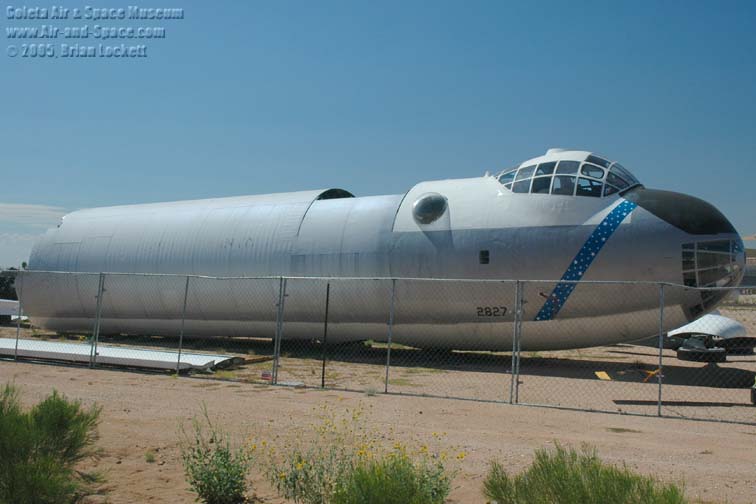
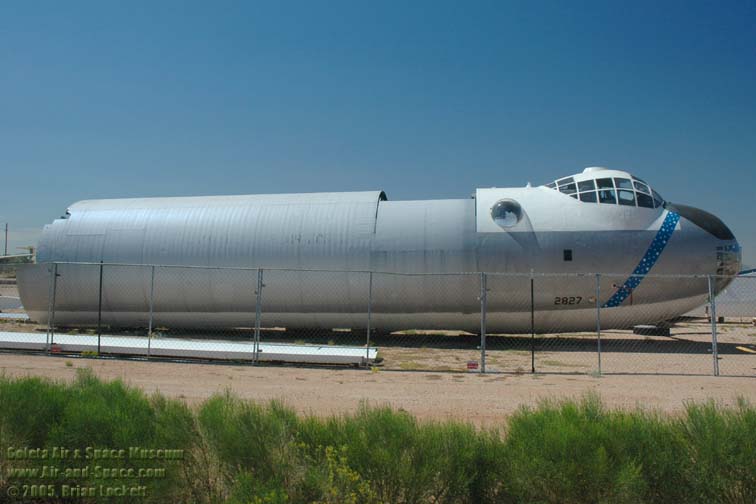
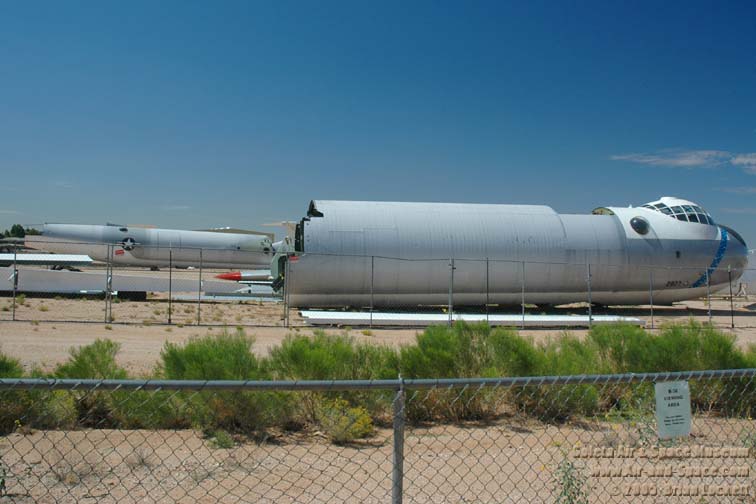
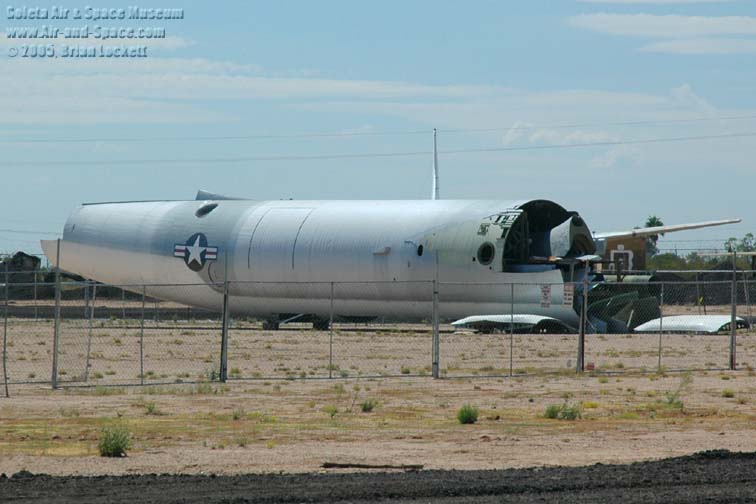
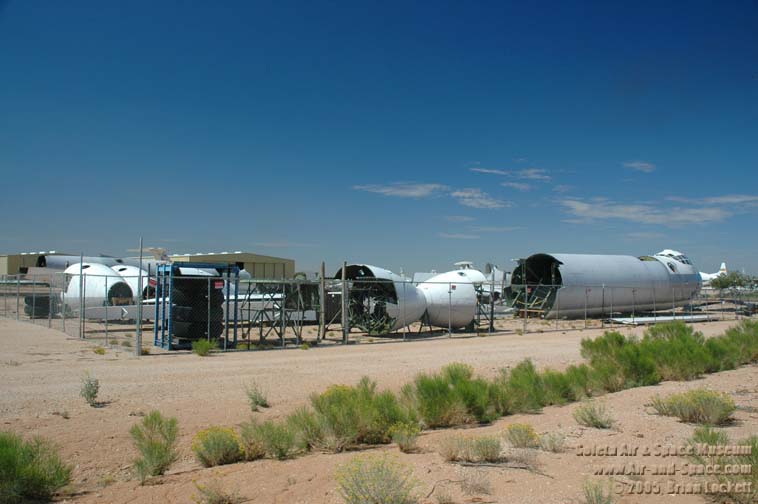
As of September 26, 2005, most of the major components of B-36J, 52-22827 have arrived at the Pima Air Museum restoration area. The center section of the wings is still in Fort Worth.
Forward fuselage
Elevators, propellers, and empennage.
Elevators
Empennage
The rear fuselage rests a short distance away from the rest of the airframe.
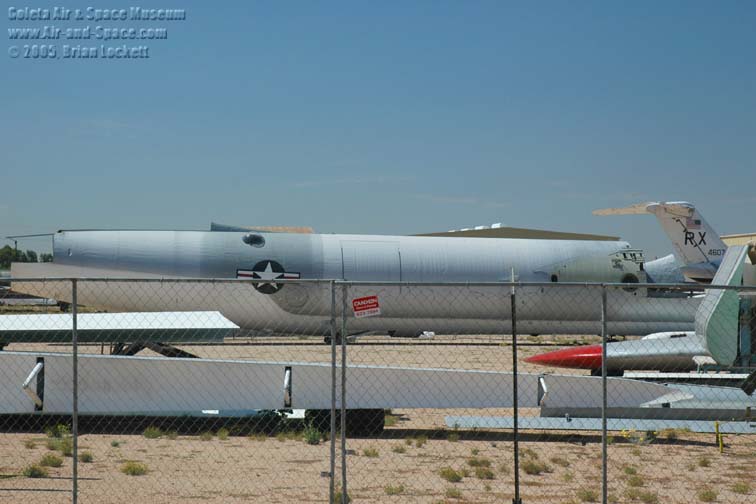
Rear fuselage
Engine nacelles
B-36 restoration area
I will document the reassembly of B-36J, 52-22827 as I did the restoration of RB-36H, 51-13730 at the Castle Air Museum.
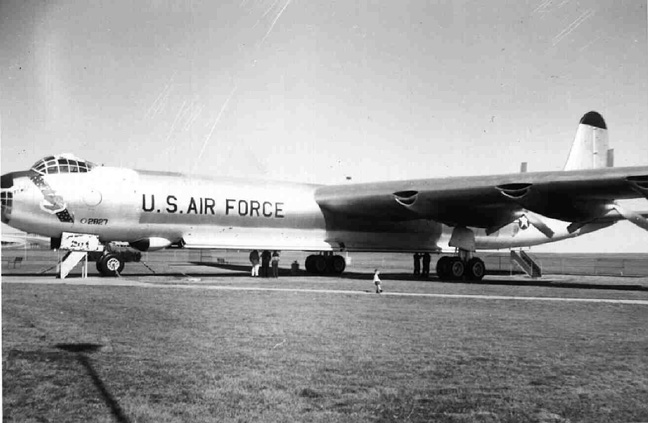
The last B-36 built, B-36J-75(III) 52-22827, seen in 1964 at Fort Worth. This plane received a meticulous restoration in Fort Worth at the old Convair factory (now Lockheed-Martin). Photo courtesy Richard Freeman.
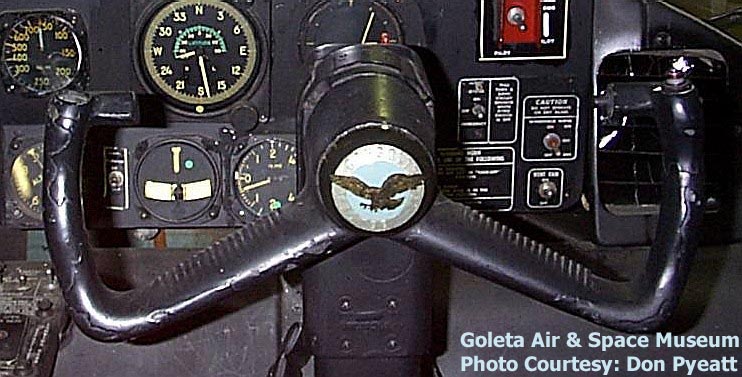
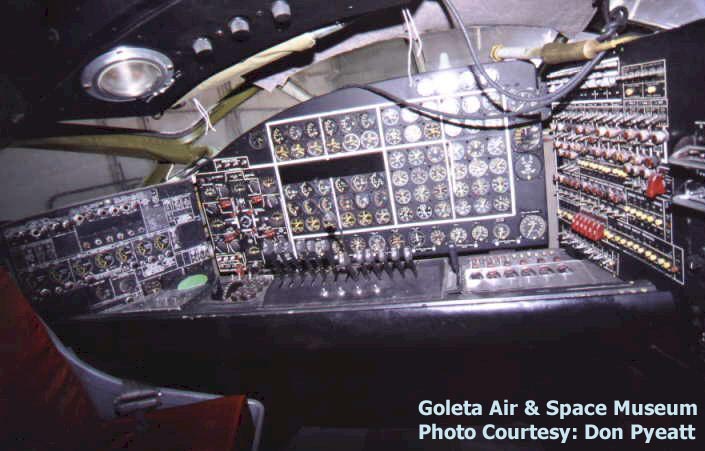
These pictures of the restored interior of 52-22827 were provided by Don Pyeatt.
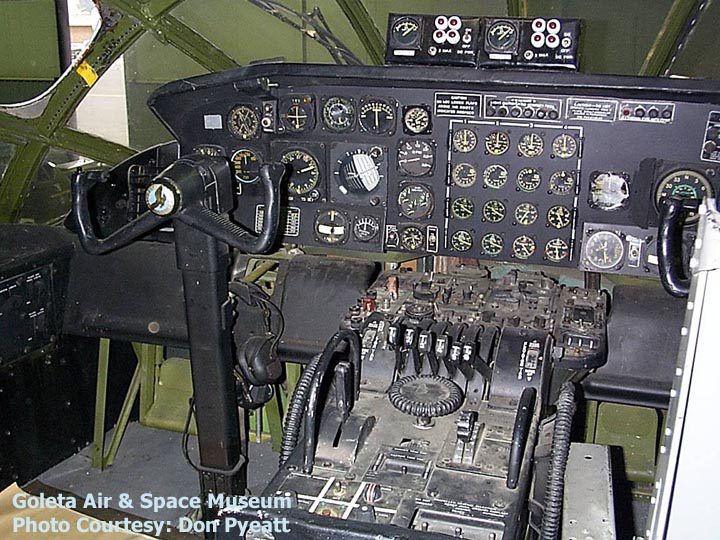
Cockpit. Photo courtesy Don Pyeatt.
Control Wheel. Photo courtesy Don Pyeatt.
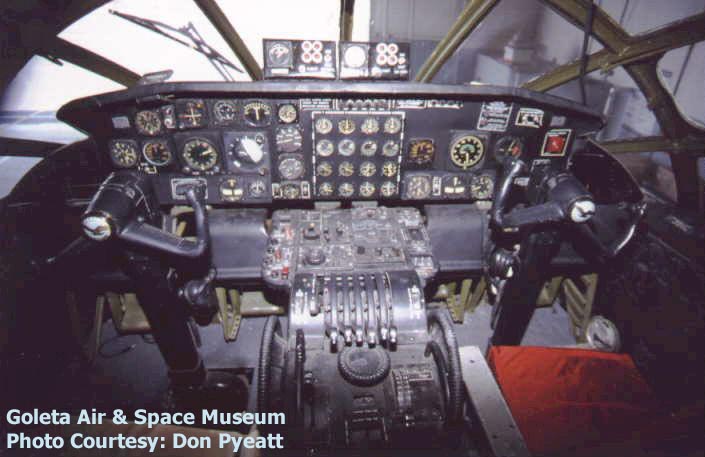
Flight Engineer's Station. Photo courtesy Don Pyeatt.
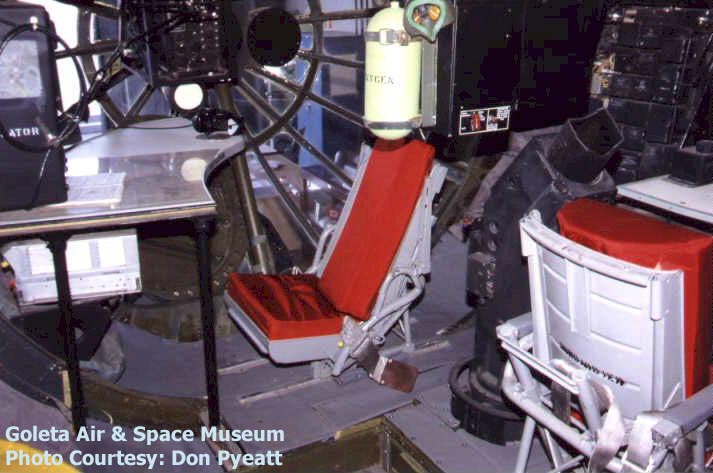
Radar Navigator's Station. Photo courtesy Don Pyeatt.
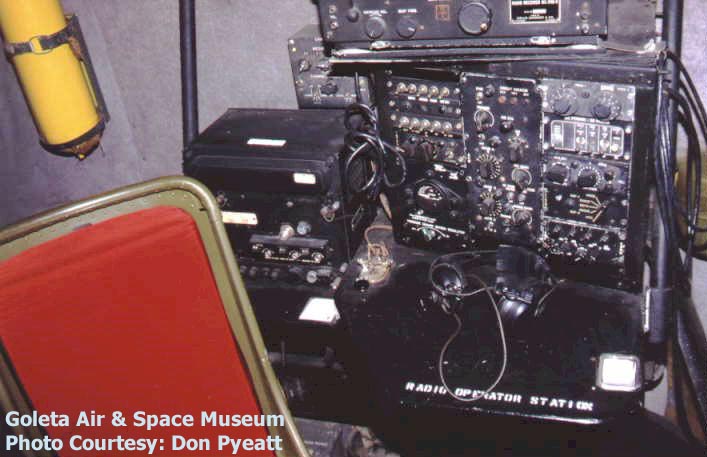
Radio Operator's Station. Photo courtesy Don Pyeatt.
Don Pyeatt's web site has a number of photos of 52-22827 on display and undergoing restoration. Click on the number-four propellor at the bottom of his home page.

Visit the Lockett Books Amazon Webstore for a selection of aviation and space related books and DVDs.
The history of the efforts to preserve B-36J, 52-22827 at Fort Worth is well documented in "B-36: Saving the Last Peacemaker"; Second Edition, an html book on CD. This CD-ROM is viewed with your internet browser.

B-36: Moving the Last Peacemaker. These 875 photos show photographically the effort expended by all of the volunteers over a nine year period to save the aircraft. This CD-ROM is a self contained slide show that does not require a browser to view.
Go to the main Convair B-36 page.
Go to home page of the Goleta Air and Space Museum.
Send a message to Brian.